Dutch-Style Roundabouts – What can the UK learn?
With four Dutch-style roundabouts now completed in the UK, these innovative designs are becoming an increasingly familiar feature of highway design discussions. As the emphasis on walking, cycling and active travel continues to grow, TMS considers from a Road Safety Audit perspective whether Dutch-style roundabouts are likely to become more common on UK roads, and what lessons can be learned from their introduction.
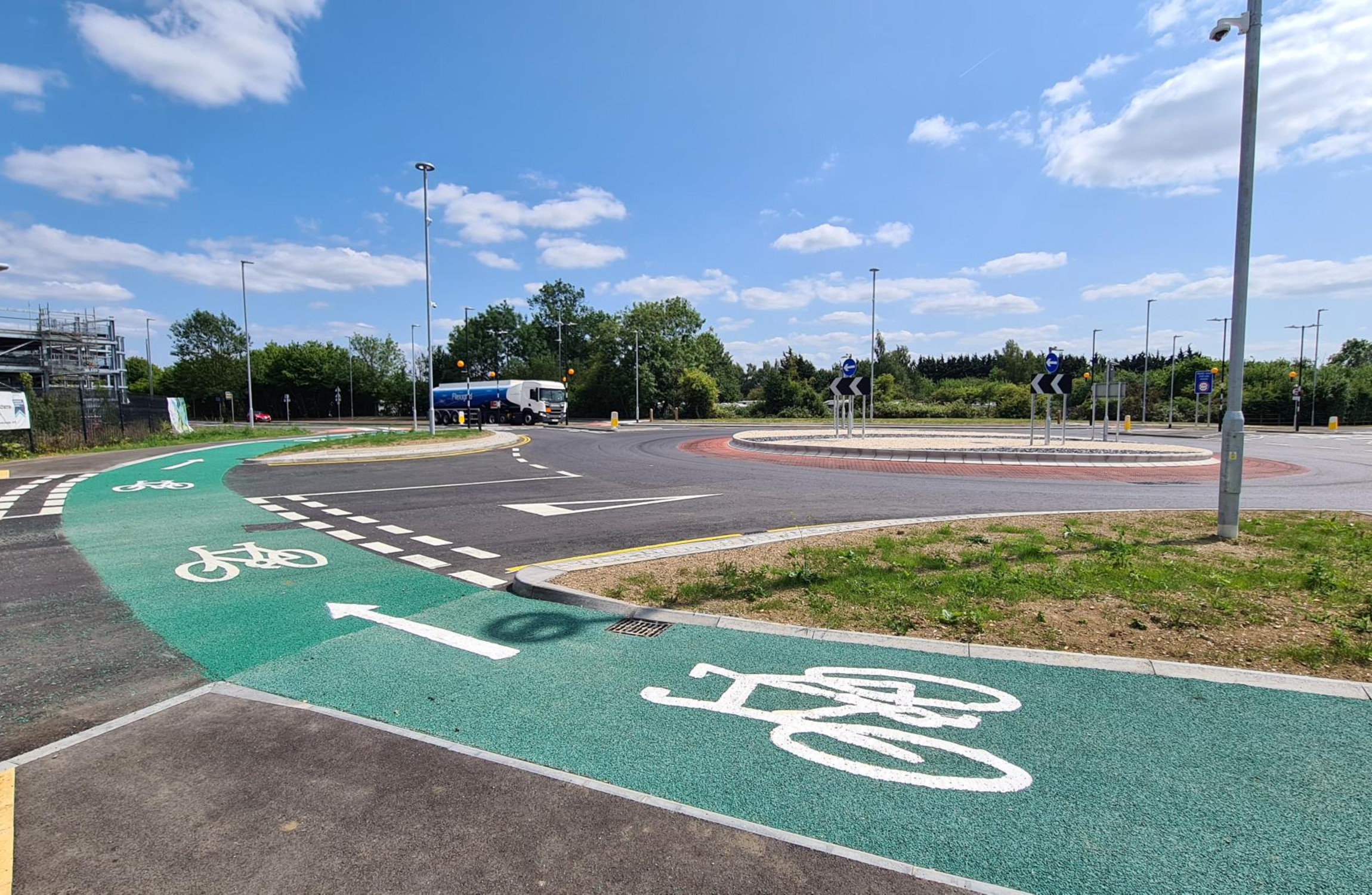
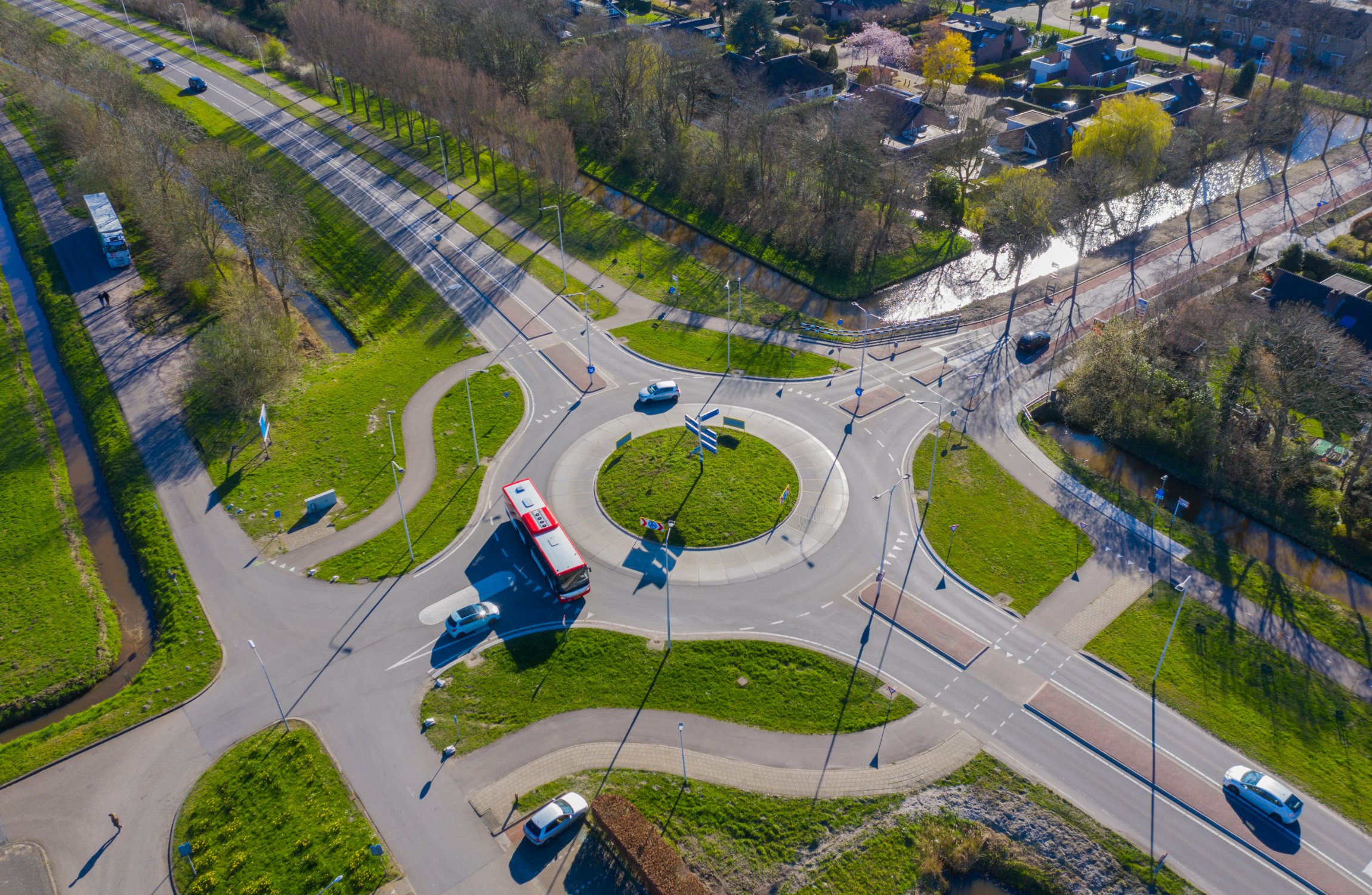
What is a Dutch-Style Roundabout?
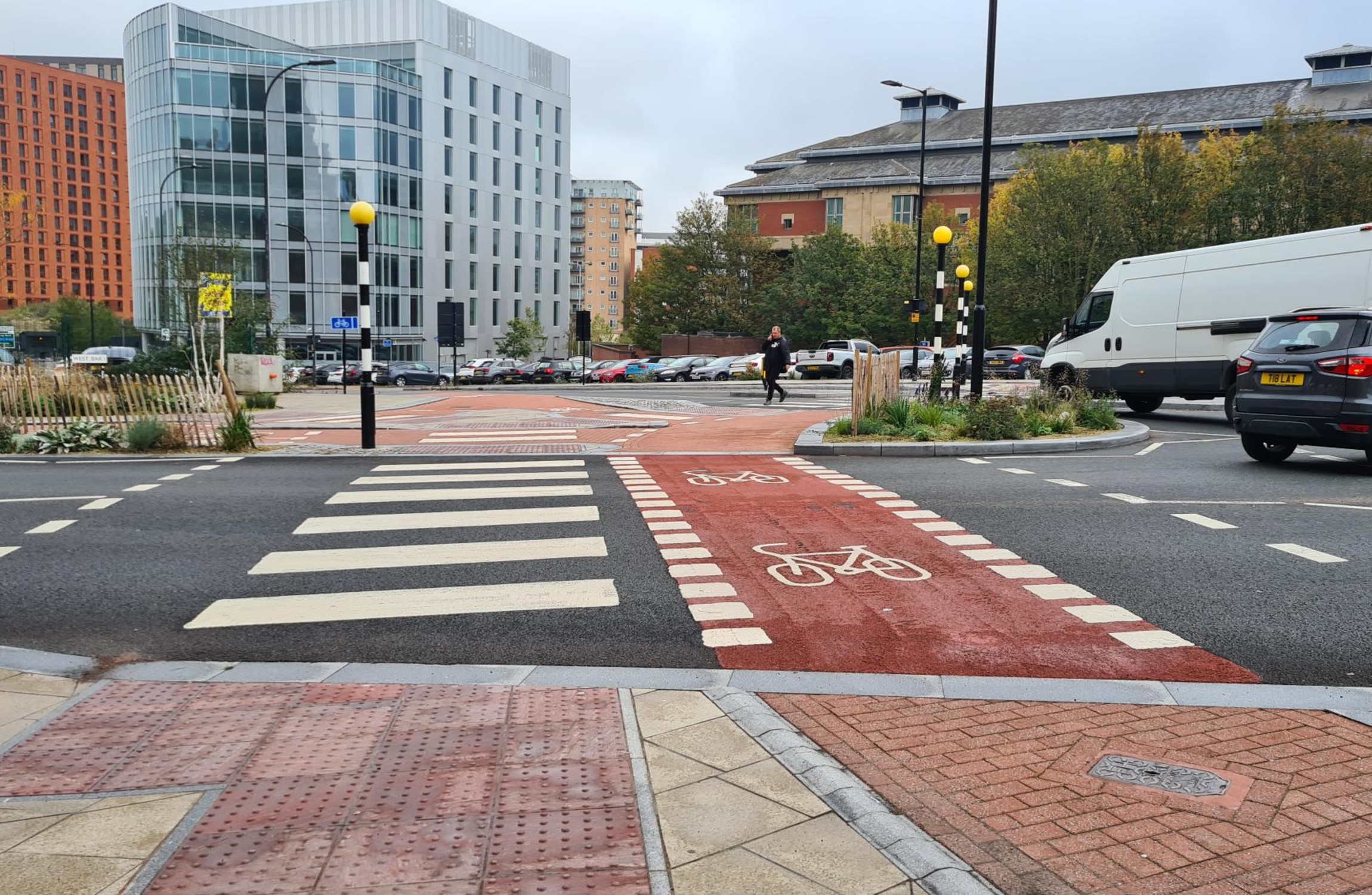
The principle is to provide cyclists with a dedicated route around the outside of the roundabout, separated from motor traffic, with parallel pedestrian and cycle crossings across the entry and exit arms. Pedestrians can travel around the roundabout in both directions, while cyclists circulate in the same direction as traffic. The geometry is also typically designed to encourage lower vehicle speeds, with some UK schemes incorporating raised crossings to further reinforce this. Good quality cycle facilities on approach to and upon exit from the roundabout are beneficial, although clear, well-designed transitions back onto the carriageway can help overcome some of the challenges associated with this arrangement.
The approach is well established in the Netherlands but remains relatively new in the UK, with Dutch-style roundabouts now present in Cambridge, Chichester, Sheffield and Hemel Hempstead. These schemes demonstrate how the principles are being applied in the UK, with growing consideration of Dutch-style designs in highway guidance and the need to provide greater protection for cyclists.
Why is a different approach needed?
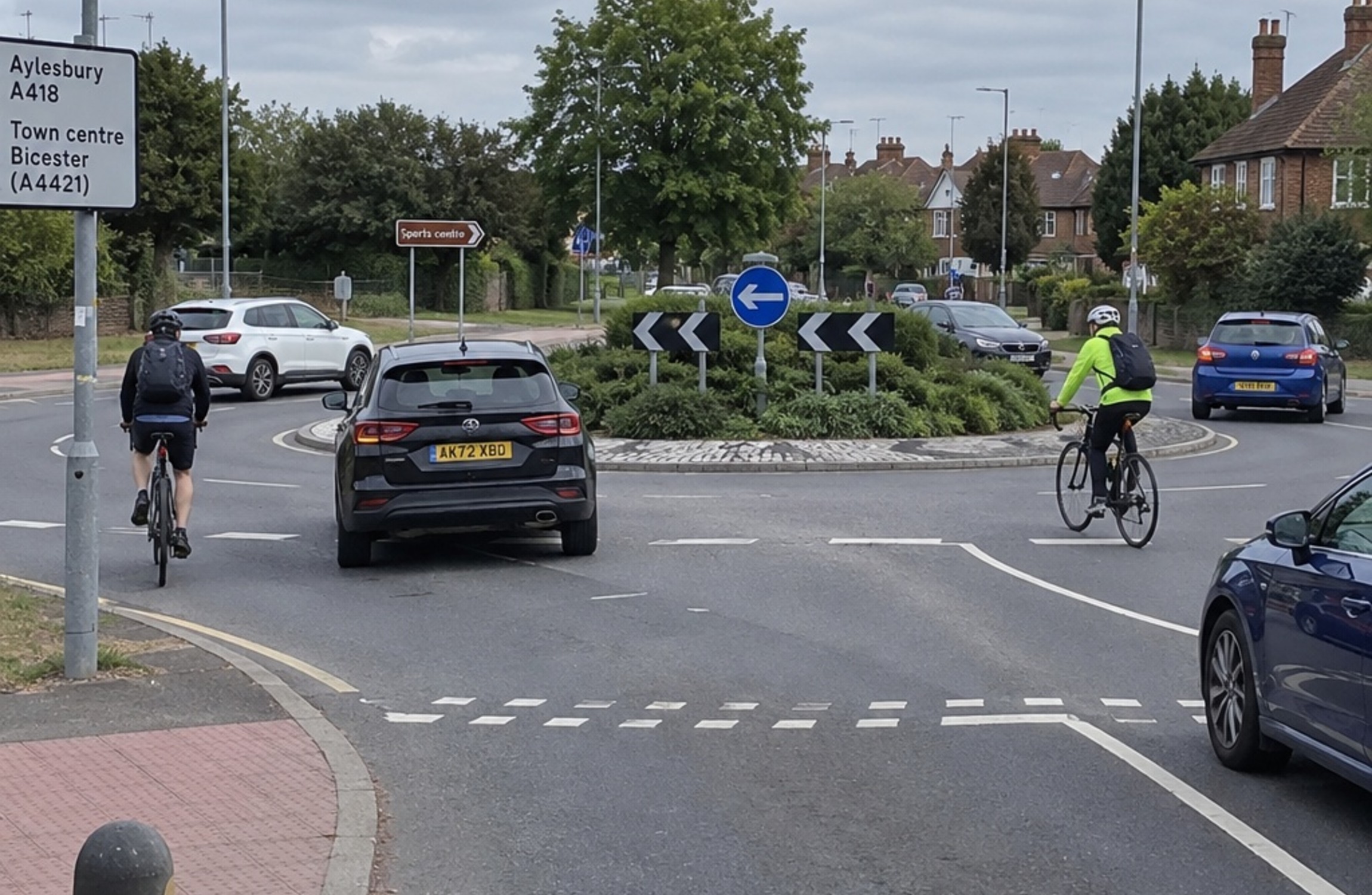
According to LTN 1/20, roundabouts account for around 20% of all reported cyclist killed or seriously injured (KSI) casualties. Traditional UK roundabout designs can present challenges for cyclists due to flared entries and exits, multiple lanes, wide circulatory carriageways and differences in vehicle speeds. Cyclists may also be less visible to drivers entering or leaving the junction, particularly where the geometry allows higher vehicle speeds.
Dutch-style roundabouts seek to address some of these issues by providing greater separation between cyclists and motor traffic, reducing vehicle speeds and making the movement of different road users more predictable. However, the effectiveness of these arrangements depends on how well they are designed and how clearly they communicate priority to everyone using the junction.
Is it right for the UK?
There are clear potential benefits. Separating cyclists from circulating traffic can make a junction safer, more comfortable and accessible, particularly for less confident cyclists. Lower vehicle speeds can also improve the environment for pedestrians. However, we should not assume that a design that works well in the Netherlands will automatically work in the same way in the UK.
The Netherlands has a long-established cycling culture and a network designed around consistent expectations for different road users. The UK has a different highway environment, and users may be less familiar with these arrangements. This makes the detail of the design particularly important. Priority, visibility, crossing arrangements, signing and road markings all need to work together and be understood by everyone using the junction.
Learning from elsewhere
For Road Safety Auditors, it is important that we continue to look beyond the designs we are familiar with. Other countries have developed different approaches to managing the interaction between pedestrians, cyclists and vehicles. Not every approach will be suitable for the UK, but there is value in understanding what others are doing and considering whether there are better ways of addressing particular road safety problems.
An unfamiliar design should not automatically be considered unsafe simply because it is different from traditional UK practice. Equally, an innovative design should not be assumed to be safe simply because it has worked elsewhere. The role of the auditor is to understand how the proposed arrangement is likely to work in the context of the particular site and its users.
The role of the Road Safety Auditor
As highway design evolves, so must our understanding of what good design looks like. For TMS, this means being open to new approaches, understanding how different countries are addressing road safety challenges and considering whether there are lessons that can be applied to UK schemes.
But innovation should always be tested against the fundamentals of road safety.
Will the layout be intuitive? Can road users see each other clearly? Is priority obvious? Are the interactions between pedestrians, cyclists and vehicles properly considered? And will the junction work safely for the people who will actually use it?
Whether a roundabout is traditional, Dutch-style or something entirely new, these are ultimately the questions that matter. Good road safety design is not about doing things differently for the sake of it. It is about being prepared to learn, challenge established approaches and find the safest solution for each individual location.
Could Dutch-style roundabouts become more common?
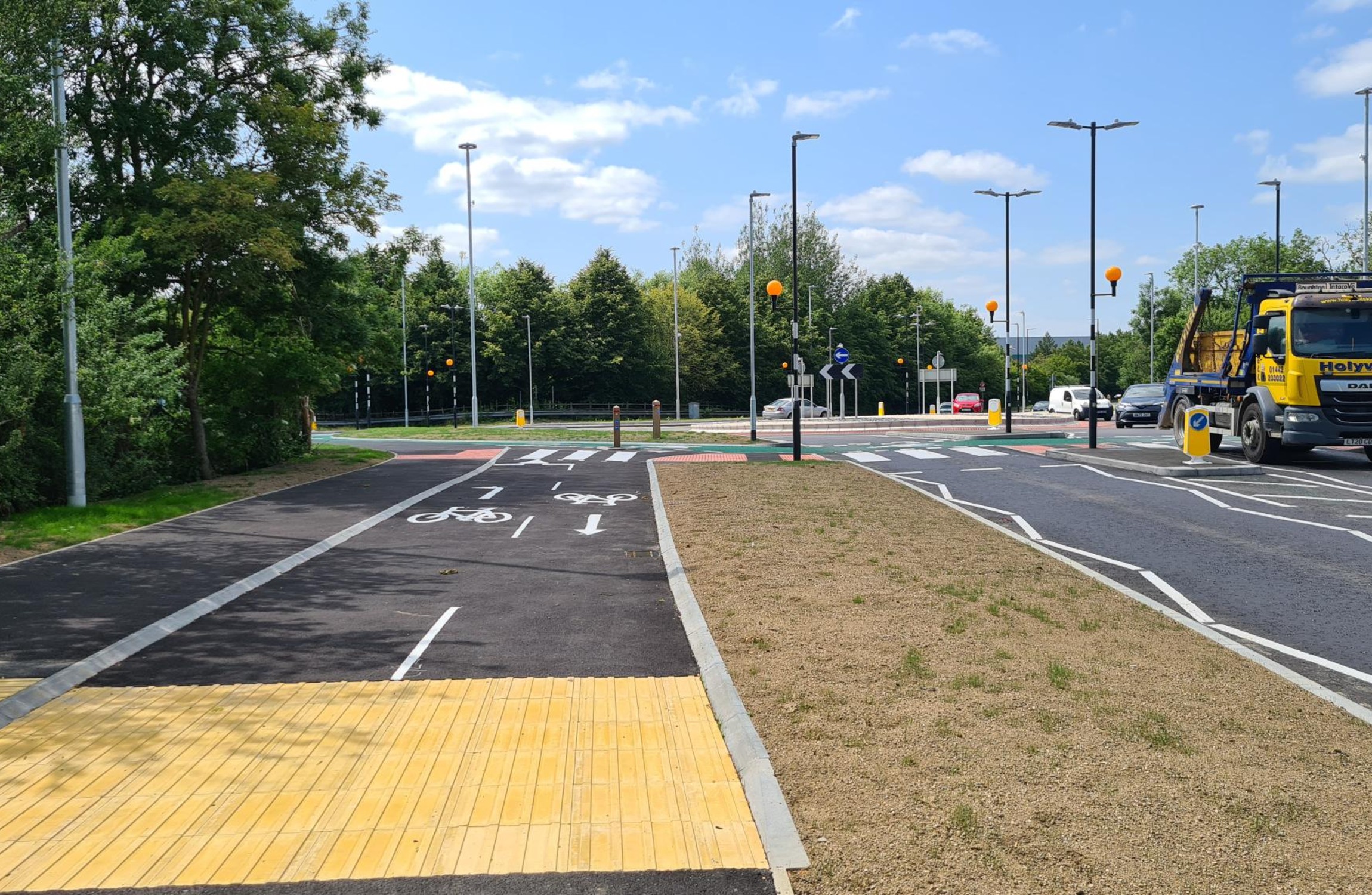
It seems likely that we will see more UK roundabouts adopting the principles behind Dutch-style designs, particularly as the demand for better walking and cycling infrastructure increases. That does not necessarily mean that every roundabout will, or should, become a Dutch-style roundabout.
Roundabouts vary considerably in size, traffic flows, vehicle speeds, available space and the movements of pedestrians and cyclists. What works well in one location may not be appropriate in another. Land availability may also lead to compromises in design, such as crossings that are not exactly parallel or refuge islands that cannot be provided.
Instead, we may see more of the underlying principles being incorporated into junction design in the UK: protected cycle facilities, lower vehicle speeds, clearer priority and better provision for vulnerable road users.
Ultimately, Dutch-style roundabouts offer an opportunity to challenge established approaches and consider how junctions can better accommodate all road users. As with any innovative design, the key is to understand how the layout will operate in practice and whether it provides an appropriate level of safety for the people using it.
As Vicky Seaton, Road Safety Auditor at TMS, explains:
“Dutch-style roundabouts offer some really valuable lessons for the UK, but the key is understanding how the design will work in the context of the individual site. We, as Road Safety Auditors, need to be open to new approaches, while always making sure that the safety of all road users remains at the heart of the design.”
Find out more
Whether a roundabout or junction scheme follows established UK practice or takes a newer approach, an independent Road Safety Audit helps make sure the design works safely for everyone who will use it.
Do you need a Road Safety Audit for a roundabout or junction scheme? Whether local or nationwide, please call us on +44 (0)24 7669 0900 or email Lorna Styring.
Alternatively, you can request a quote using the link below.