Road Safety Strategy – A Professional Perspective from TMS
Key Takeaways
- The Department for Transport’s Road Safety Strategy, published in January 2026, sets out a new long-term approach to reducing deaths and serious injuries on Britain’s roads.
- There is the introduction of targets to cut the KSI rate by 65% for 16+ and by 70% for children under 16.
- The plan to set up both a Road Safety Investigation branch and a Road Safety Board.
- Signifies a stronger move towards a Safe System approach, it focuses on safer road design, improved vehicle safety, stronger enforcement and targeted education, alongside proposals aimed at protecting vulnerable road users and addressing high-risk behaviours.
- Together, the measures are intended to deliver a sustained and significant improvement in road safety over the coming years.
Introduction
Following the recent release of the DfT’s Road Safety Strategy, we invited Phil Cook, Director of TMS Consultancy, and Steve Proctor, Honorary Associate of TMS – both highly experienced road safety professionals, to share their views on the document. Their thoughts and perspectives are shared below.
Perspective from Phil Cook – Director, TMS Consultancy
The publication of the DfT’s Road Safety Strategy in January 2026 is a welcome and positive step, with the potential to significantly reduce the number of people needlessly killed or injured on our roads. Having worked in road safety for more than 40 years, it’s genuinely encouraging to see a renewed national focus in this area. TMS has long been an advocate of the principle of ‘Safer Roads for Everyone’, supported by clear casualty-reduction targets, and the last time we had a national strategy with firm targets in place, it delivered real success.
The introduction of targets to cut the number of people killed or seriously injured by 65%, and child casualties (under 16) by 70% by 2035, against a 2022–2024 baseline, marks both an exciting and demanding period for road safety. Achieving these reductions will require a strong commitment to new and enhanced measures – supporting safer behaviour by road users, delivering safer road environments, making better use of new technologies, strengthening legislation to tackle poor road user behaviour, and ensuring enforcement is properly prioritised and resourced.
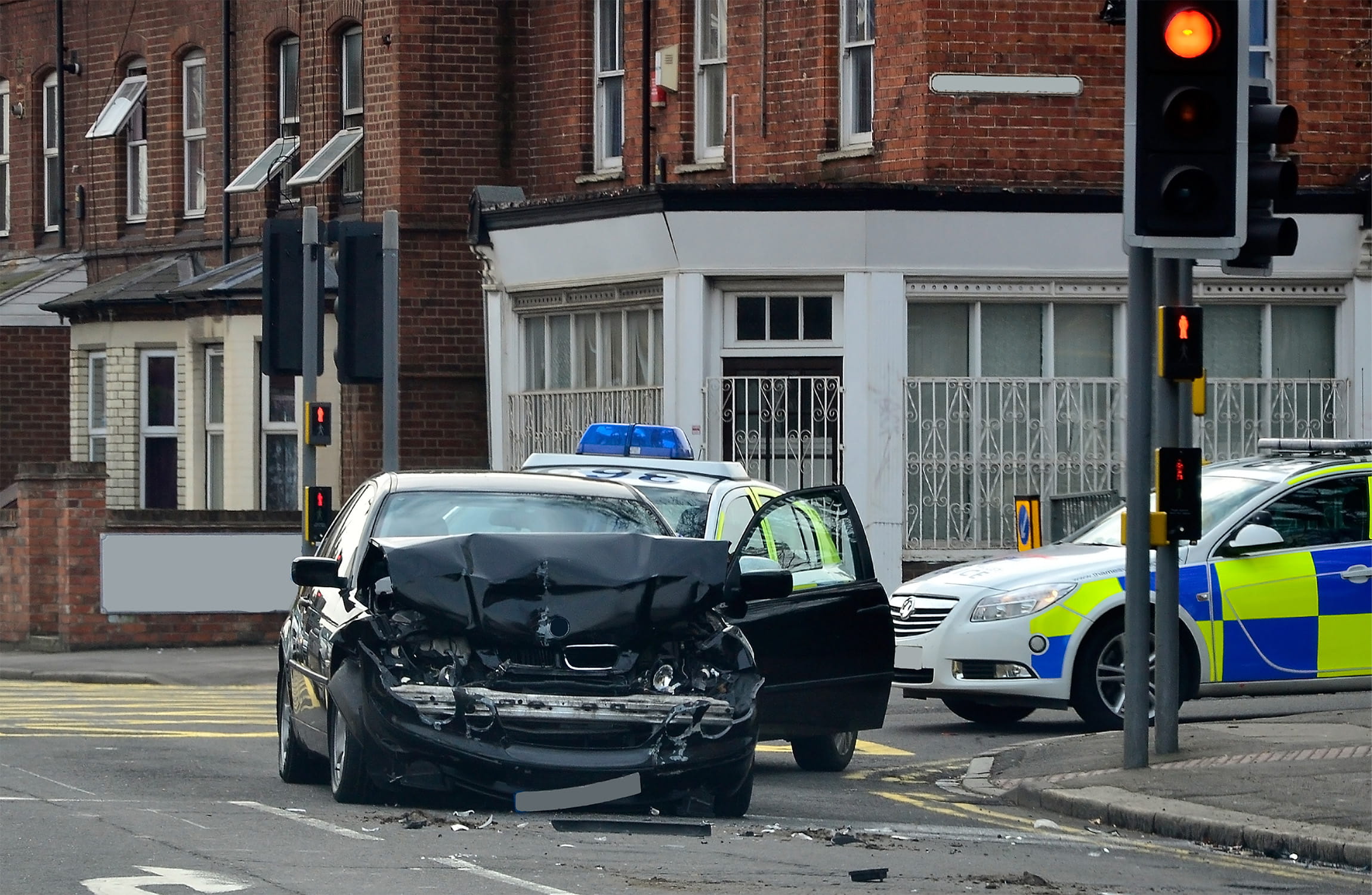

While the individual measures set out in the strategy are positive, it’s not yet clear whether they will be sufficient on their own to meet such ambitious targets. Progress will need to be closely monitored, with a willingness to introduce further action where needed. Advances in vehicle technology and better data will undoubtedly help, but long-term funding and sustained political commitment will be crucial.
Of course, financial pressures and shifting priorities can complicate delivery, and some necessary legislative changes may prove unpopular – even when they are clearly in the wider public interest. As the saying goes in investment, ‘past performance doesn’t guarantee future results’, and the same can be true in road safety. That said, having ambitious targets once again linked to a national road safety strategy is a major step forward and a genuine reason for optimism.
Phil Cook – BSc, CEng, MICE, MCIHT, FIHE, NH RSA Cert Comp (Director)
Perspective from Steve Proctor – Honorary Associate, TMS Consultancy
The Road Safety Strategy marks a key milestone in the road safety industry and is long overdue. It has been a long time since we have had any targets related to road safety, so this is a welcome and positive change.
The inclusion of Safety Performance Indicators (SPIs) is helpful, although reliance on Stats-19 contributory factors may not be as robust as some would hope. Only one SPI—relating to vulnerable road users (VRUs) is rate-based, meaning that most indicators do not account for exposure. The VRU SPI is based on distance travelled, so caution will be needed when making comparisons with motor vehicle rates.
There are several other positive initiatives, including the proposal to establish a Road Safety Investigation Branch and efforts to better link police and health service collision data. This linkage could be particularly valuable if MAS3+ (life-changing injury) health data can be used to track progress against the targets. The creation of a Road Safety Board, supported by an Expert Advisory Panel, is also encouraging, although its effectiveness will be judged on how it can play an active role in monitoring progress and improving SPIs.


The formal shift in terminology from “accident” to “collision” is noted and welcome. However, there is no reference to legislative change to require collisions to be reported to the police, meaning under-reporting is likely to remain an issue.
The strategy refers to forthcoming legislation on new forms of transport, including e-scooters, and the expansion of existing trials. However, there is no mention of throttle-powered e-bikes or the potential dangers associated with their illegal use.
The role of the Safe System approach within the document is interesting. It appears to be positioned more as a high-level vision or framework for government leadership and local flexibility, rather than using the Safe System pillars as the foundation for specific, deliverable actions, as has been the case in some previous national and local strategies.
Many of the newer and potentially more radical measures are subject to consultation. This raises the possibility that proposals relating to learner, young and older drivers, and to drink- and drug-driving limits, may ultimately be diluted, despite the evidence presented within the Strategy.
Finally, Theme 3 – Infrastructure, is the shortest section of the document and arguably the most disappointing. There is no reference to Road Safety Audit or collision investigation, and iRAP is mentioned only briefly in relation to the Strategic Road Network. While the long-awaited Manual for Streets 3 is acknowledged, no publication date is provided. The section on Smart Motorways is ambiguous, stating that evidence suggests they are safer than conventional motorways, while confirming that no further schemes will be built due to public concern.
Overall, the strategy is clearly written and appears more coherent and better integrated than previous road safety strategies. The reintroduction of casualty reduction targets, which are long overdue, is particularly welcome and the level of ambition is clear. However, meeting these targets will require action.
Steve Proctor – MSc, MCIHT, MCILT, FSoRSA, NH RSA Cert Comp (Honorary Associate)

Conclusion
In summary, the Road Safety Strategy sets out ambitious targets and a clear framework for reducing road casualties. While challenges remain in delivering the full impact of its measures, having a national strategy with defined goals is a major step forward. With careful monitoring, ongoing innovation, and sustained commitment, there is genuine reason to be optimistic about making Britain’s roads safer for everyone.