Bespoke TMO Training for Police Service Northern Ireland

Bespoke TMO Training for Police Service Northern Ireland

At the start of this year, TMS Consultancy was asked to design and deliver a bespoke Traffic Management Officers course for the Police Service of Northern Ireland (PSNI). It was an interesting experience for the team, bringing TMS’ traffic management training expertise to a part of the UK with its own distinct legislation, policing structures and operational context.
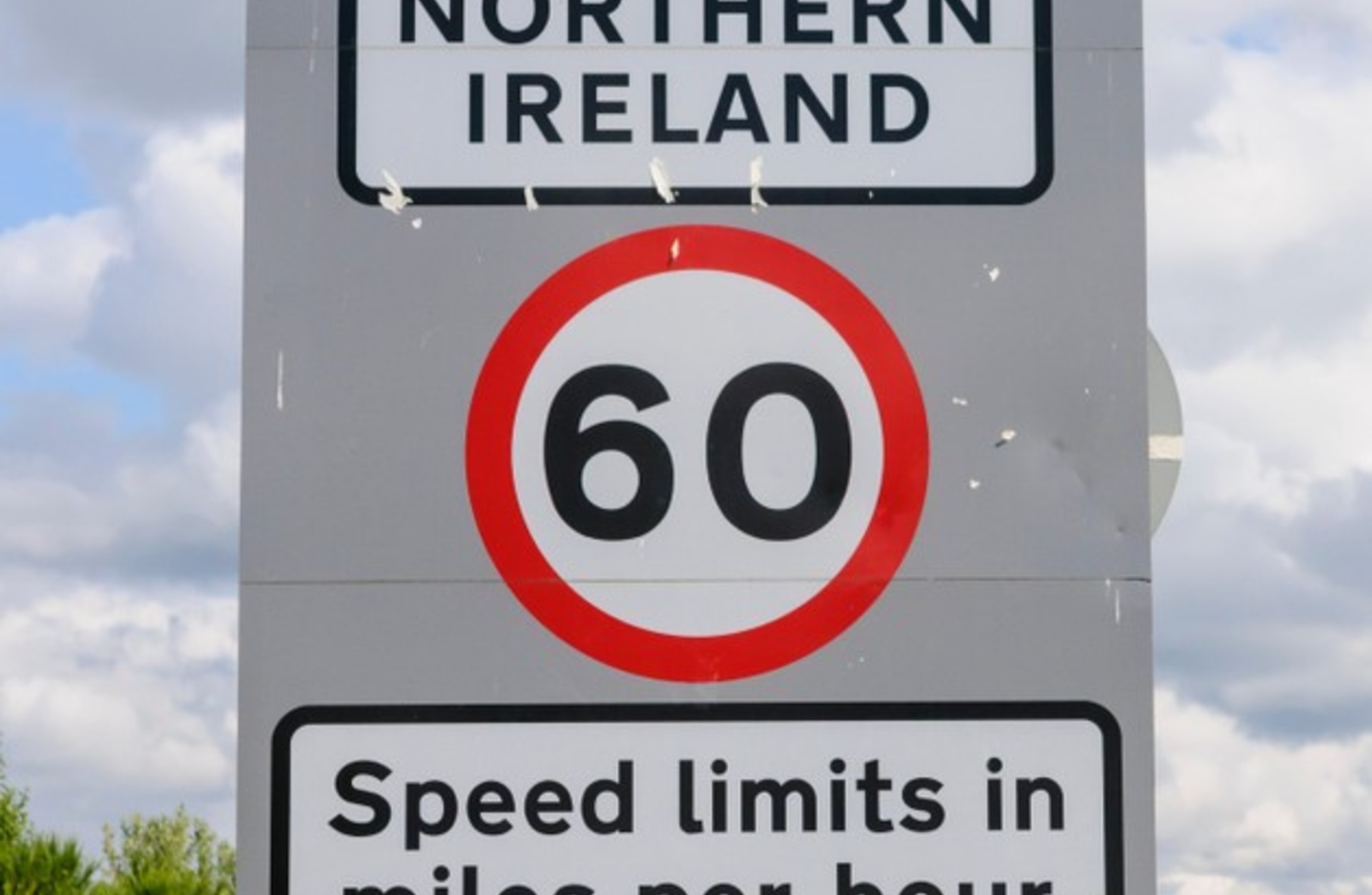
60 mph speed sign in Northern Ireland.

Building a Bespoke Traffic Management Course

Northern Ireland’s legislative and policing landscape differs from the frameworks our trainers are accustomed to working within elsewhere in England, Wales and Scotland. The course content was therefore adapted to incorporate as much Northern Ireland-specific legislation, guidance and practice as possible.

This involved discussions with a representative from the Department for Infrastructure, Northern Ireland’s equivalent to National Highways and the Department for Transport, along with a senior officer from the PSNI Roads Policing Unit. Working together, these discussions helped shape a five-day course for 12 delegates, covering traffic management concepts and principles, road safety engineering, highway design, and the laws and guidance governing road and traffic management in Northern Ireland.

Learning in both directions

The course ran smoothly, with plenty of questions, interaction and debate from delegates. The depth of discussion continued through to the final assessment, with delegates producing detailed and well-reasoned answers.

For our trainers, it was as much a learning experience as a teaching one, providing valuable insight into a part of UK policing and traffic management that isn’t often seen from the outside.

That two-way engagement came through clearly in the feedback shared with us following the course. Delegates highlighted the relevance of the content to their roles, as well as the practical value of the guidance and examples covered during the training.


Police tape in across the road.
Police man looking at the road with tape across it.

One Traffic Management Officer commented:

“I would like to express my appreciation for the recent Traffic Management Officers Course. I found the content was well-structured, informative and extremely useful and directly relevant to my role. I appreciated how the material was presented and the guidance and examples will be valuable in my work.”

Traffic Management Officer

The course also demonstrated the importance of adapting training to reflect local legislation and operational requirements. An Inspector within the Road Policing Development Unit highlighted the team’s approach to meeting the specific needs of delegates in Northern Ireland:

“All I can add is that the team were fantastic to deal with and made every effort to ensure that our needs were covered, especially with the differences in legislation in Northern Ireland.”

Inspector, Road Policing Development Unit

Police man signalling on going traffic.

Find out more

Whether your team is based elsewhere in the UK or further afield, we can design and deliver bespoke traffic management training tailored to your local legislation, guidance and operational needs.

Delivering training in-house can also bring significant cost and time efficiencies, allowing a whole team to be trained together without the disruption or expense of sending staff elsewhere.

Please get in touch with Steve Barnard, our Training Manager, to discuss how a bespoke course could benefit your organisation and find out more about potential costs.
Behind the Legislation – Our TRO Training in Action

Behind the Legislation – Our TRO Training in Action

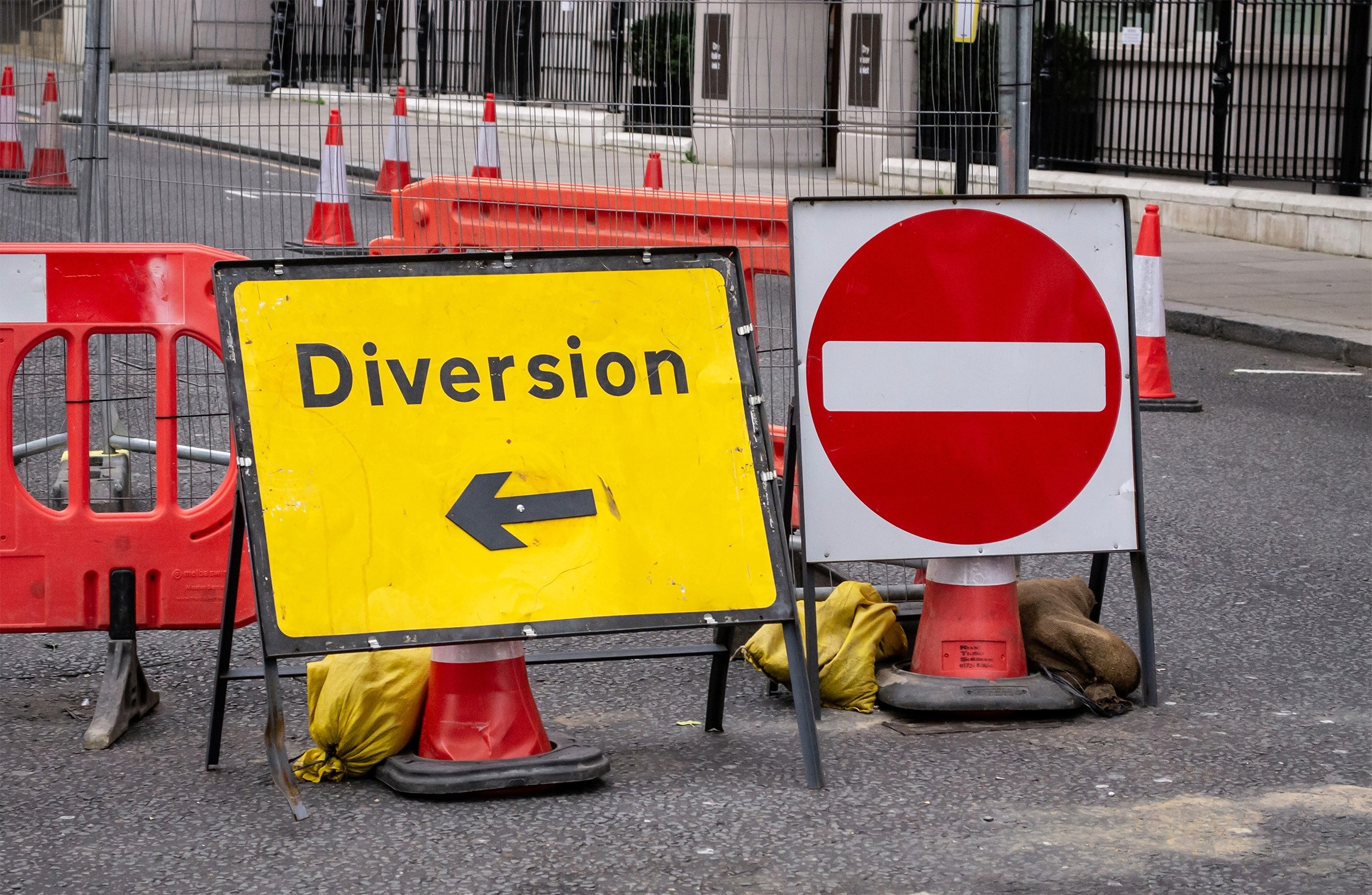
Temporary traffic sign, Diversion and No entry sign.

Making Traffic Regulation Orders Make Sense

Traffic Regulation Orders (TROs) sit behind almost every parking restriction, one-way system and speed limit on our roads, yet the legislation involved is often seen as complex and difficult to navigate.

Over the past few months, TMS Consultancy has delivered a series of TRO training courses, both in-house for Nottingham City, Bristol City and Colchester City Councils, and as an open course in London for delegates from authorities across the UK.

What the training covers

Each course gives delegates a grounding in the legislation behind TROs, their uses and their practical applications. Delegates come away with a clear understanding of the legal basis and procedures for making Traffic Regulation Orders and similar orders, along with an insight into the issues that most commonly give rise to challenges. Discussion and shared experience run through every session, so delegates leave with practical knowledge as well as theory.

No two courses are the same. Each authority has its own priorities, whether that is writing TROs from scratch or applying them in practice, for example in parking enforcement, so the content is shaped around what each group of delegates needs most.

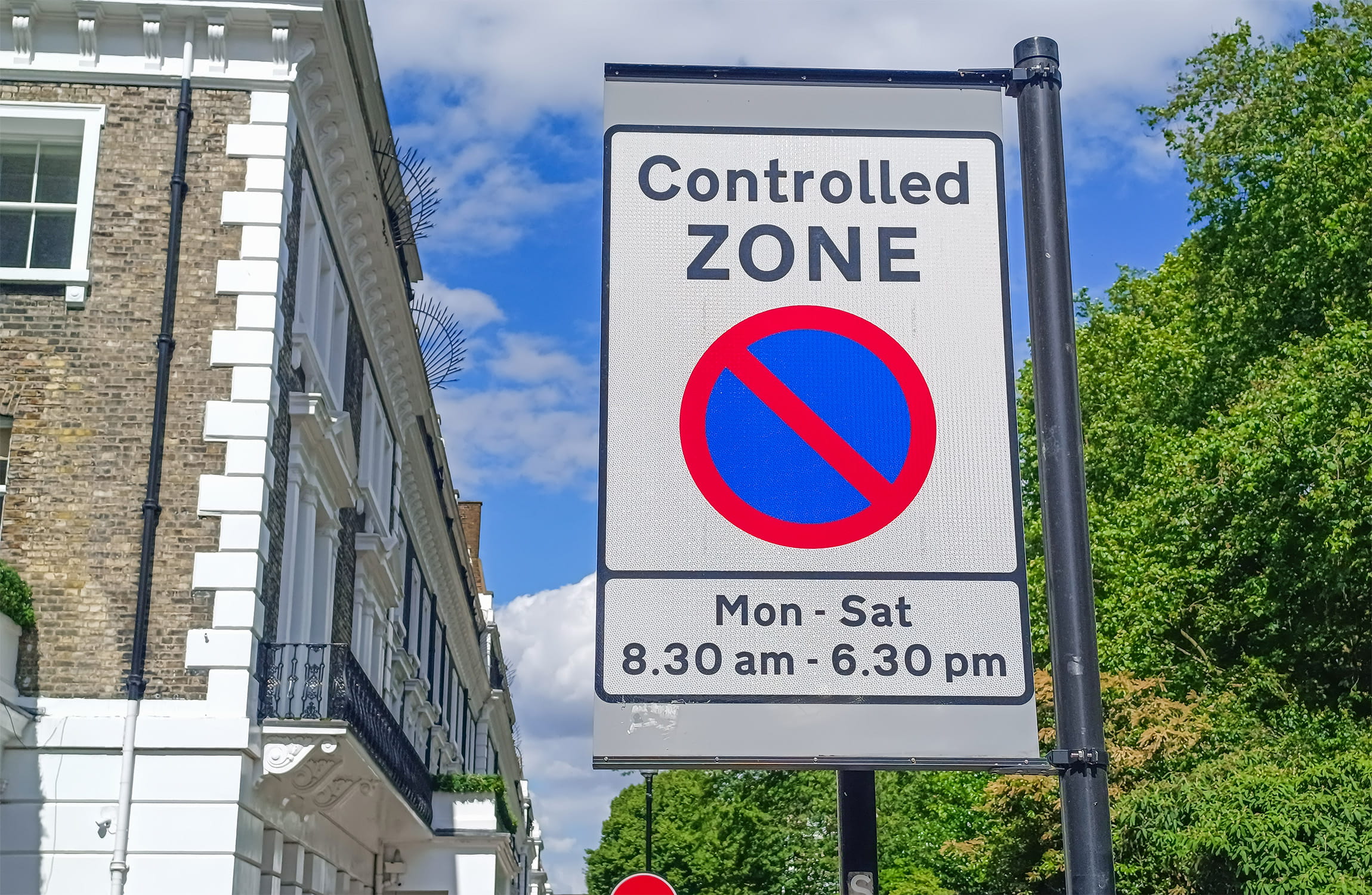
Controlled zone sign.
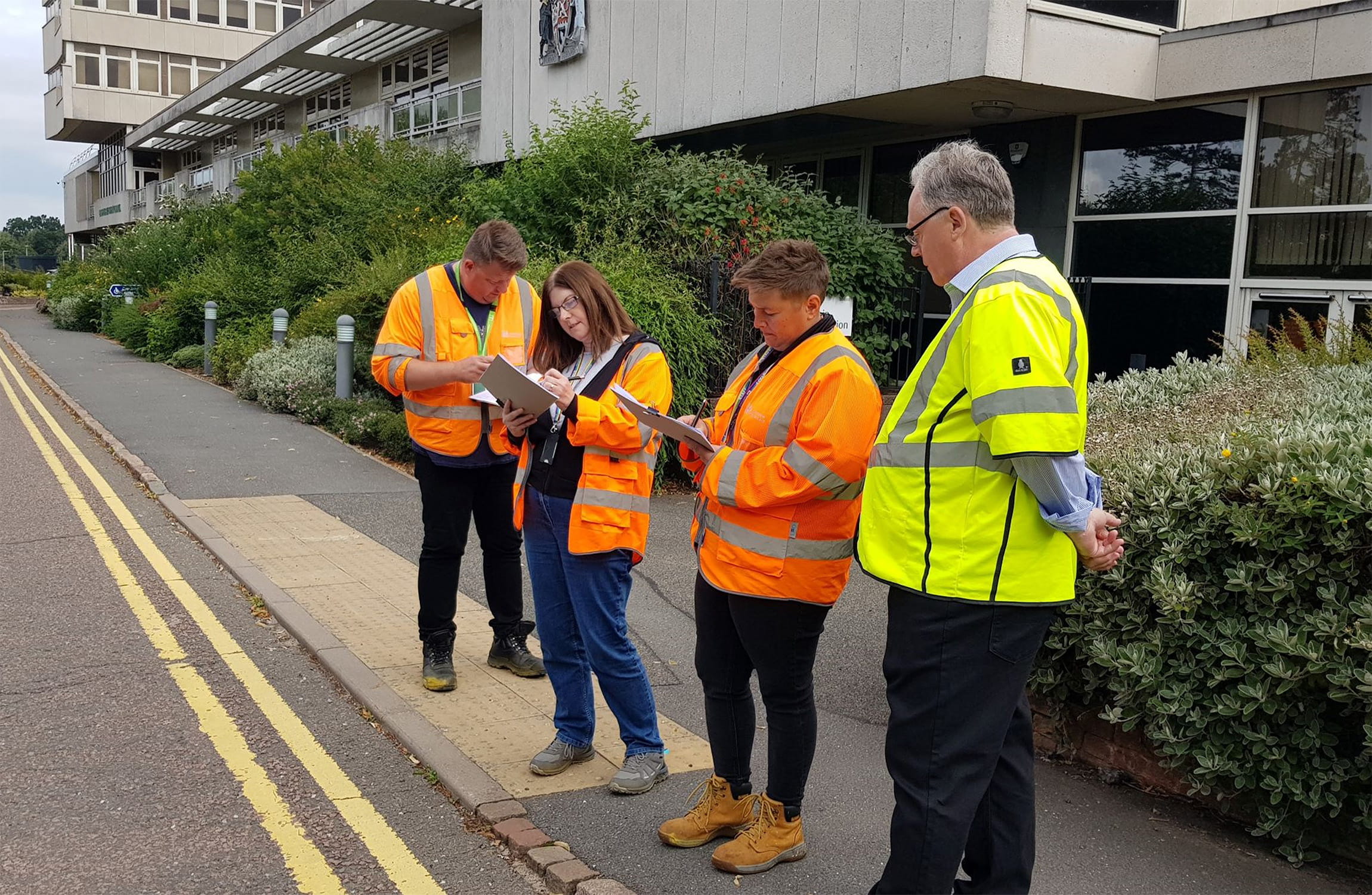
Grant Dumbleton (TMS) presenting a course.

An engaging approach to a technical subject

TRO legislation is, by its nature, a heavy and technically dense subject. Our aim is to make the sessions as engaging and accessible as possible, with plenty of discussion, workshop exercises and room for delegates to share their own experience.

We also make a point of accommodating different learning styles and neurodivergent delegates, offering fidget spinners and stress balls, and actively encouraging people to move around, take breaks and ask questions whenever they want.

A growing digital dimension

TRO training has become increasingly relevant with the shift towards digital TRO networks. One of the authorities we worked with had already transferred its full TRO record to a digital network, supported by a vehicle fitted with semi-autonomous enforcement systems.

Digital TRO networks are also expected to play a growing role as self-driving taxis and vehicles become more common, making this an area authorities will need to keep developing expertise in.

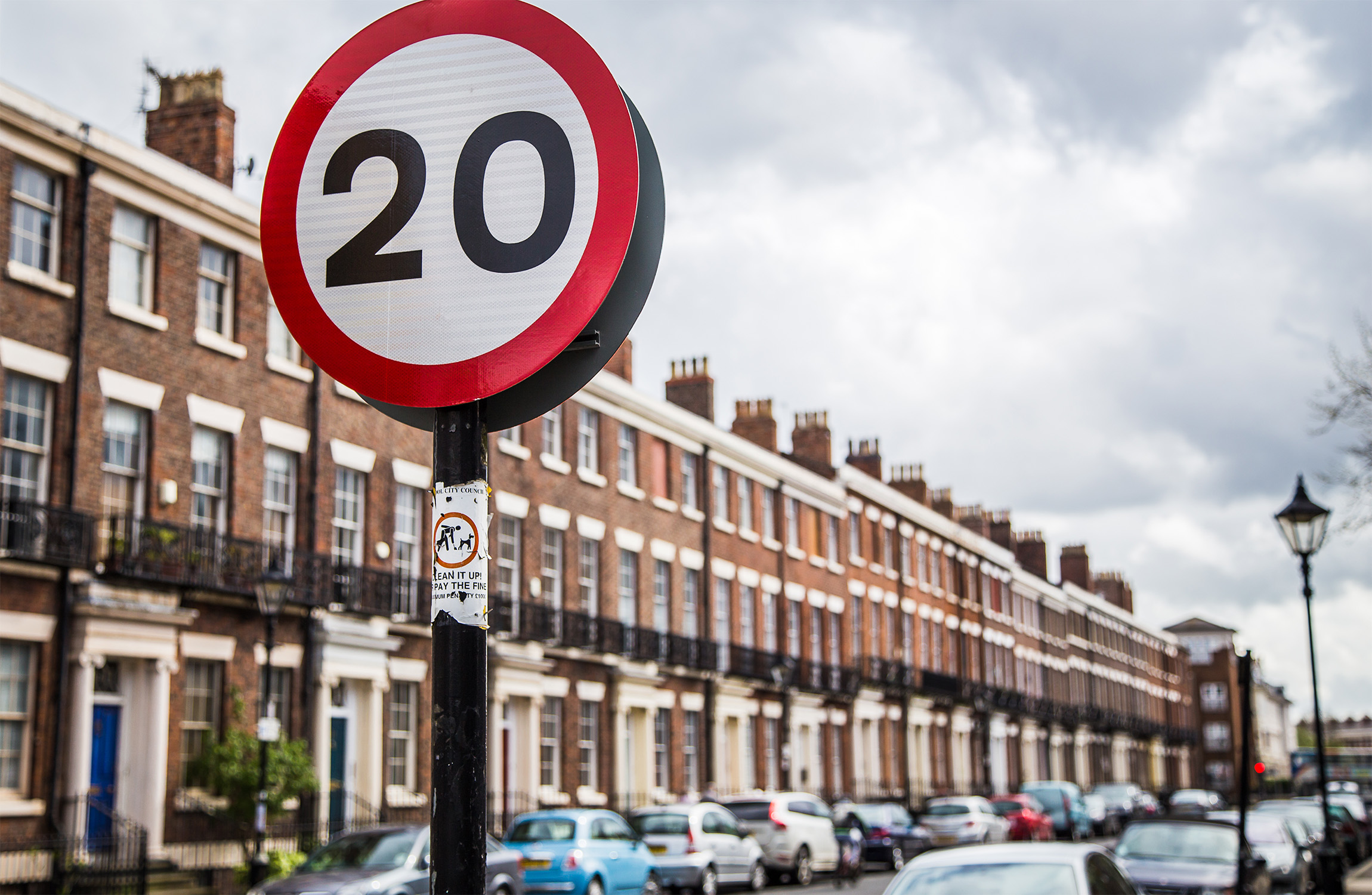
20 mph sign.

What delegates say

Feedback from our training has been consistently positive. One delegate who attended the open course in London, Laura Franklin, Senior Project Manager, shared her experience publicly on LinkedIn, calling it “a fantastic Traffic Regulation Order course” that was “delivered with trademark clarity by Grant Dumbleton“. She gave a special mention to the group she was with on the day, praising the discussions, the people and the learning.

Find out more

Our Traffic Regulation Orders course is available as an open course, delivered in-house at your own offices, or as an e-learning course you can complete in your own time. Find out more about the course here, or please get in touch with Steve Barnard, our Training Course Manager, to discuss which version would work best for you.

Building Bespoke Highway Inspectors Training for Jersey

An Island Apart: Building Bespoke Highway Inspectors Training for Jersey

When organisations commission Highway Inspectors training, it’s easy to assume that a standard UK course can simply be delivered anywhere. Our recent work with the Government of Jersey shows why that approach falls short and why training needs to reflect the legal, operational and practical environment in which delegates actually work.

TMS Consultancy was commissioned to adapt and deliver a bespoke four-day Highway Inspectors training programme for Jersey. Built around the UK Code of Practice Well-managed Highway Infrastructure and the Highway Safety Inspector competency framework, the course was specifically designed to reflect the island’s legislative framework, highway network and the day-to-day challenges faced by those responsible for managing and maintaining its roads.

Getting the Legal Framework Right

The starting point was understanding Jersey’s highway legislation. Unlike highway authorities in England and Wales, which have a statutory duty to maintain the highway, Jersey’s authorities have powers to maintain it. Although subtle, this distinction has significant implications for decision-making, enforcement and the way maintenance responsibilities are applied in practice. In this respect, Jersey’s legislative framework has more in common with Scottish road law than with that of England and Wales.

Residential street in Jersey.
Winding road in Jersey.

Designing Around Jersey’s Highway Environment

The course also reflected Jersey’s unique operating environment. The island’s extensive Green Lane network, where pedestrians, cyclists and horse riders have priority, together with a maximum speed limit of 40 mph across the island, directly influence inspection techniques, risk assessment and engineering judgement.

Alongside Jersey’s own legislation, the programme incorporated recognised UK guidance, including the Traffic Signs Manual, TSRGD and HSE guidance. Developing a bespoke course wasn’t about starting again, it was about understanding which elements of UK best practice transferred directly and where they needed adapting.

Learning Through Experience

The four-day programme brought together senior highway engineers, highway inspectors, structures and design specialists, newly appointed engineers and representatives from the Parish Councils. That breadth of experience generated worthwhile discussion, with delegates sharing perspectives from strategic highway management through to local community infrastructure.

One of the most valuable conversations centred on enforcement. Delegates openly discussed the difference between having legislative powers and being able to apply them effectively in practice. Those real-world conversations provided valuable insight into the day-to-day realities faced by highway professionals and are exactly the type of learning and knowledge-sharing that a generic, off-the-shelf training course cannot replicate.

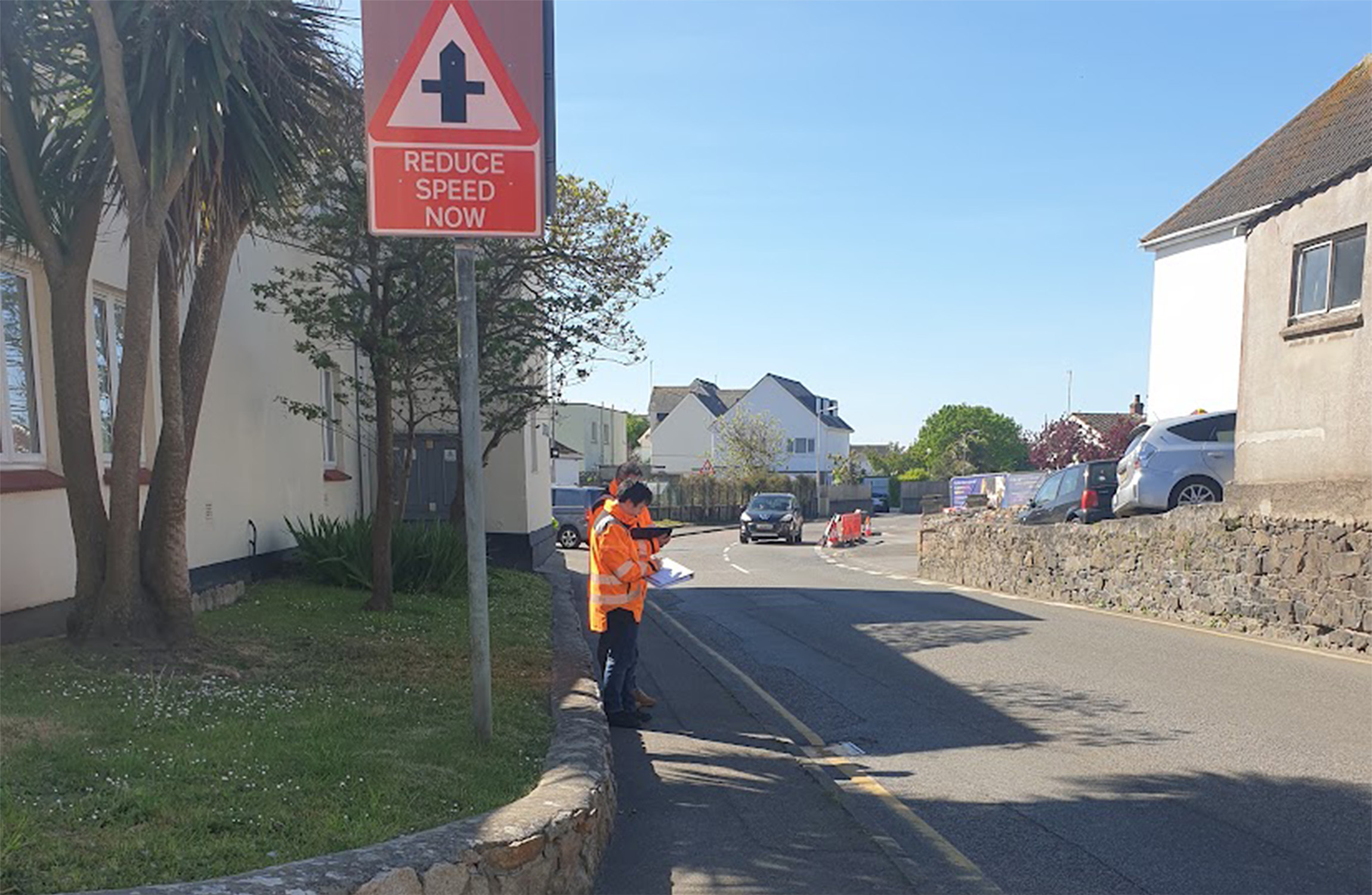
A road in Jersey with two people standing on the walkway with two high visibility jacket.
Phil (TMS) taking delegates outside for practical learning.

Why Bespoke Training Matters

Developing bespoke training is about far more than changing legislative references in a presentation. It requires an understanding of how highways are managed locally, how responsibilities are allocated, how guidance is interpreted and the practical challenges inspectors face every day.

Competent highway inspectors play a vital role in protecting the travelling public, managing risk and supporting informed maintenance decisions. Training that reflects the legal and operationalenvironment in which delegates work ensures learning is immediately relevant and can be applied with confidence from day one.

Looking for Highway Inspectors Training?

Whether you’re looking for our four-day Highway Safety Inspectors course delivered as a bespoke programme tailored to your organisation, or you’re seeking places on one of our UK open courses, TMS can provide a training solution to meet your needs.

We offer flexible delivery options, including bespoke in-house training, UK open courses for individual delegates, and programmes adapted to local legislation and operational requirements both within the UK and internationally.

To discuss the most suitable Highway Safety Inspectors training option for your organisation, please contact Steve Barnard, or visit the Training section of our website (see below) to find out more about our Highway Safety Inspectors Modular Course and the range of training options available.

TMS introduces Virtual Reality (VR) headsets

TMS introduces Virtual Reality (VR) Headsets

At TMS, we’re thrilled to announce our partnership with the Immersive Community Education Hub (ICE Hub). Which allows us access to their library of 360 videos and an immersive Virtual Reality experience. We will be the first Road Safety Engineering company to use these headsets on our courses, to allow more interactivity and a different experience to delegates. We will be utilising this on our   Keeping Up to Date and Road Safety Engineering – Assured by RoSPA (10 Days) courses.

To find out more about our Virtual Reality on our training courses please see our VR page.

Back to top